

Sustainability has moved from a talking point to a condition of doing business in textiles. And it means more than environmental protection — it covers everything that determines whether a manufacturer can keep operating responsibly: environmental impact, the people doing the work, and the economics underneath both.
Four reasons it matters.
1. It is what responsibility looks like in practice
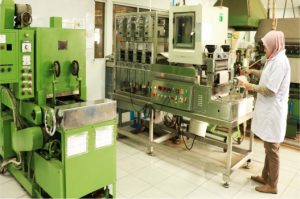
The first reason is the plainest. A manufacturer’s decisions affect the land around it, the people working in it, and the customers wearing what it makes. Running a facility sustainably means every part of that chain — the site, the product, the workforce — is managed deliberately rather than left to chance. The goal is a cleaner, safer, more accountable industry, and it is reached through procedure, not intention.
2. It prevents damage rather than compensating for it
The most common measures are the familiar three: reduce, reuse, recycle — applied to as much of the process as possible. A well-run facility does not produce toxic waste, because the process was designed not to.
The same logic applies to people. A sustainable operation guarantees worker safety as a matter of system design, not as a response to an incident.
3. It raises the standard across the industry
As sustainable practice becomes normal, awareness rises with it — among manufacturers, buyers and the public. Climate change has made it clear this cannot stay optional, and textiles is a large enough industry that its choices matter. Buyers now ask questions they would not have asked ten years ago, which is itself a form of progress.
4. The benefit reaches beyond the factory
A sustainable textile industry ends up serving the community around it — the workforce most directly, but also everyone living near a facility that treats its water properly instead of discharging it.
How we approach it
At PT Sansan Saudaratex Jaya this is measured rather than claimed. Our facilities are independently audited against recognised social, environmental and product standards — SMETA, Better Work and SLCP for working conditions; Higg FEM and ZDHC for environmental and chemical management; OEKO-TEX, BCI and the Global Recycled Standard for materials.
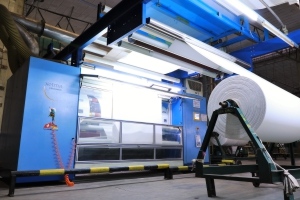
On site we operate water reuse, a caustic recovery plant and a wastewater treatment installation, and our finishing lines are built to reduce water, chemical and energy use per garment. Independent verification is the point — a claim you make about yourself is not evidence.