

Most people ordering uniforms know two or three fabric names and choose between them. That is usually enough to get a result — but not always the best one. A slightly wider vocabulary gives you real options on comfort, cost and appearance.
Four things worth knowing before you specify.
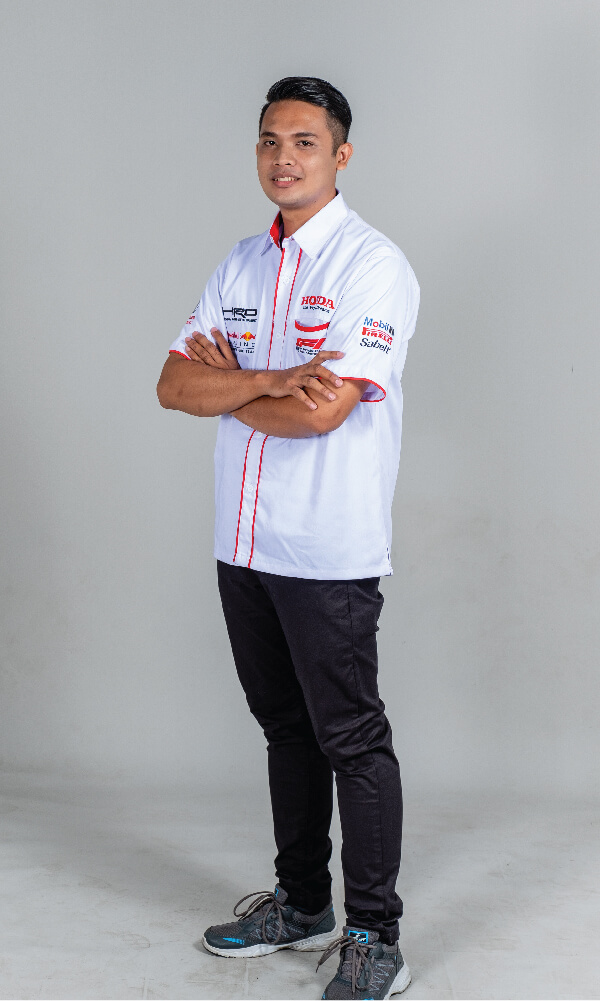
1. Drill is not your only option for shirts
Drill gets offered first because demand for it is highest and it performs. But there are alternatives worth considering.
Tropical is a polyester–cotton blend weighted towards cotton, so it stays cool and feels softer. It costs more, and the quality justifies it — it is a common choice for organisations that want their uniform to look considered.
Canvas sits in the cotton family and is noticeably thicker and heavier, but still comfortable as a field uniform. It is durable enough to protect against scrapes, which is why it appears in hiking jackets. For office use there is baby canvas — thinner and lighter, still strong.
Oxford has a fine texture that reads as tiny dots, a little like pixels. It is relatively thin, usually plain, and comfortable to wear because the weave is open enough to breathe. Common in both office and school shirts.
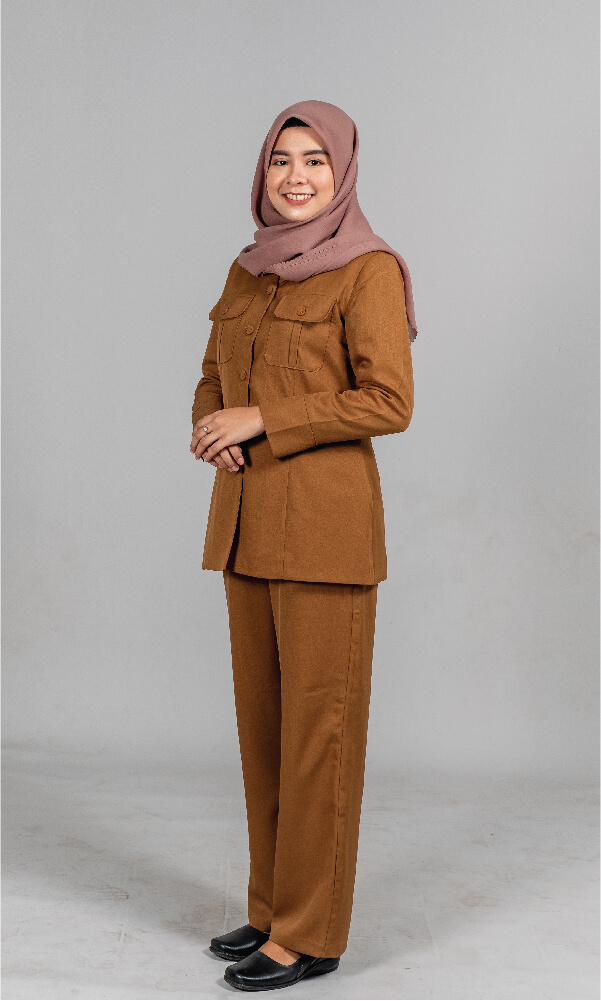
2. Piqué is more versatile than its reputation
Piqué is best known as polo-shirt fabric, but it works across a wider range than most buyers assume, and it sits at a useful point on the quality-to-price curve — a way to lift the perceived quality of a garment without a large jump in cost.
3. Fabric weight matters as much as fabric type
Two garments in the same named fabric can behave completely differently depending on weight. It affects how the uniform hangs, how warm it is, and how long it survives. Specify the weight, not just the fabric name — otherwise you are leaving one of the most consequential decisions to someone else.
4. The right fabric depends on the wearer, not the budget
The most common mistake is choosing one fabric for an entire organisation. Someone at a desk and someone on a production floor have different requirements, and a single specification will be wrong for at least one of them. Splitting the order by role usually costs less than replacing uniforms that did not last.
PT Sansan Saudaratex Jaya sizes, dyes and finishes fabric in-house, supplying it directly into garment production on the same site.