

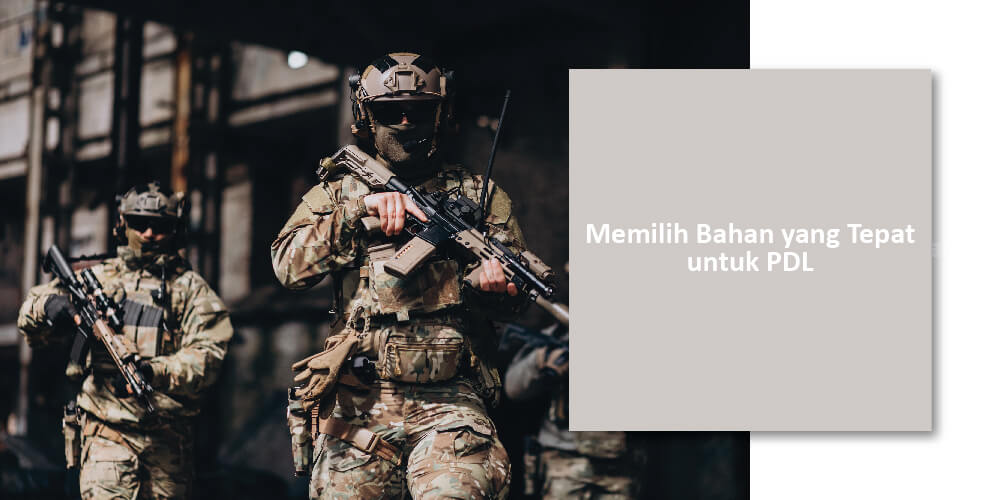
A field uniform is not an office uniform in a different colour. It is worn outdoors, often in extreme conditions, and it has to survive movement, weather and wear that office clothing never sees. That makes the fabric decision more consequential — and more specific.
Five properties worth specifying.
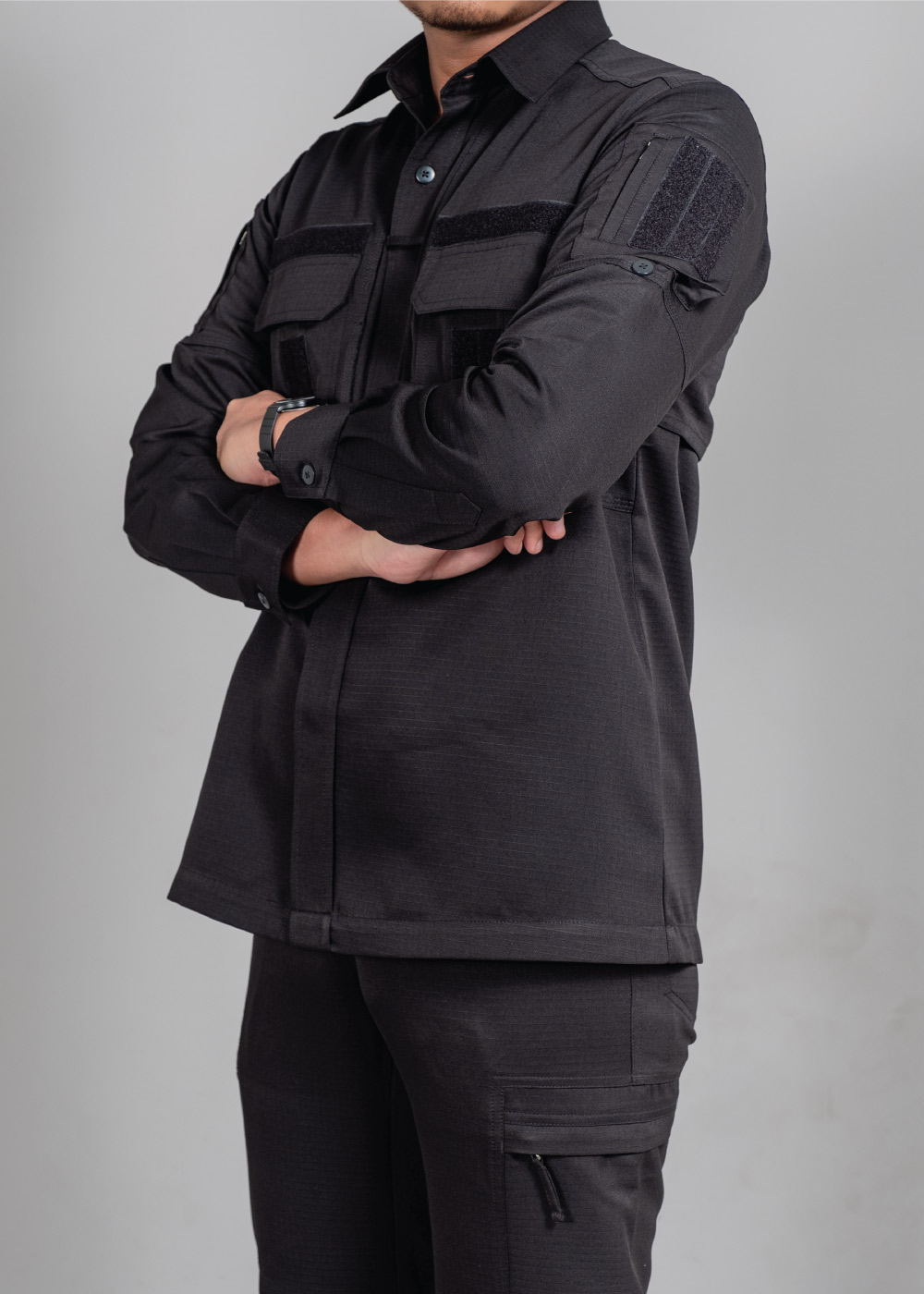
1. A cotton and synthetic blend, not pure cotton
Most people assume cotton is the best choice because it is cool and comfortable. For field use that instinct is wrong. Pure cotton holds sweat rather than releasing it, and its colour fades quickly under sun and repeated washing. A cotton–polyester blend keeps most of the comfort while adding the colour retention and moisture behaviour the job needs.
2. Consider a ripstop weave
Many field uniforms use ripstop — a weave with reinforcing threads at intervals, forming a grid. It does not make fabric indestructible, but the structure means a small tear stops instead of running. On a garment that will catch on things, that difference decides whether damage is cosmetic or terminal.
3. Build in stretch
Adding an elastic fibre such as spandex changes how a uniform feels in use. Running, climbing, kneeling — all become easier, because the fabric moves rather than resisting. For anyone working on their feet all day, this is the single change with the most noticeable effect on comfort.
4. Moisture management
Fabrics with moisture-wicking treatment pull sweat away from the skin and let it evaporate quickly, keeping the wearer cooler and drier and avoiding the sweat marks that make a uniform look unprofessional within an hour of putting it on.
5. Antibacterial finishing
Field work means long hours, heat and sustained physical effort. An antibacterial finish reduces the odour that develops in those conditions — a small specification detail that has a disproportionate effect on whether people are willing to wear the uniform properly.
Specifying well
Almost none of this costs much at the point of order, and all of it is expensive to retrofit. Decide the properties first, then choose the fabric that has them — rather than choosing a fabric and hoping.
PT Sansan Saudaratex Jaya produces field and corporate uniforms with fabric sized, dyed and finished in-house, including water-repellent, antibacterial and stain-release finishing.