

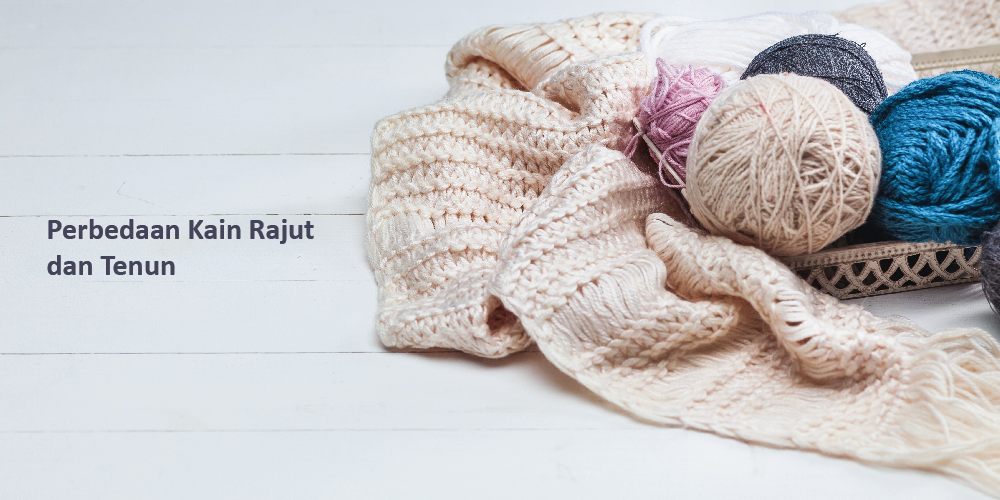
Long before it becomes clothing, yarn has to become fabric — and there are only two ways to do that. It is knitted, or it is woven. That single distinction determines how a garment stretches, how it fits, and how difficult it is to produce.
The difference in one line
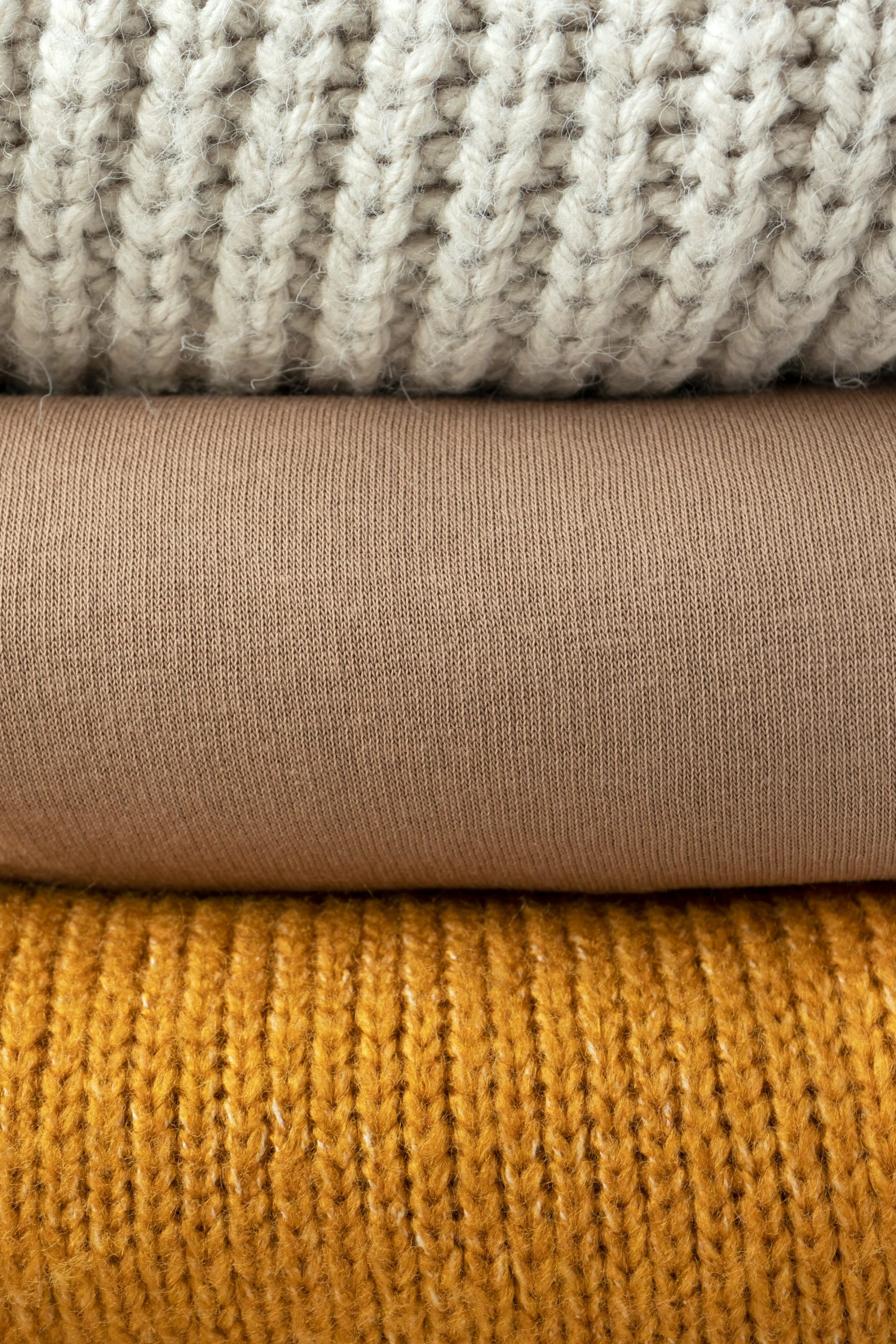
Woven fabric is made by crossing two sets of yarn at right angles. Knitted fabric is made by looping a single set of yarn through itself.
You are almost certainly wearing both. The t-shirt is knitted; the button-up shirt is woven. So are trousers, jeans and denim jackets. Leggings, sweaters and underwear are knitted.
Why it matters when you produce
If you are having something made, the construction has to match the design — you cannot substitute one for the other and expect the same result.
Knits are quicker to sew. There is often no need to finish side seams, and frequently no zip or buttons. But they are harder to handle on the line: the fabric stretches and moves as it is worked, and it will follow the shape of the body rather than holding its own.
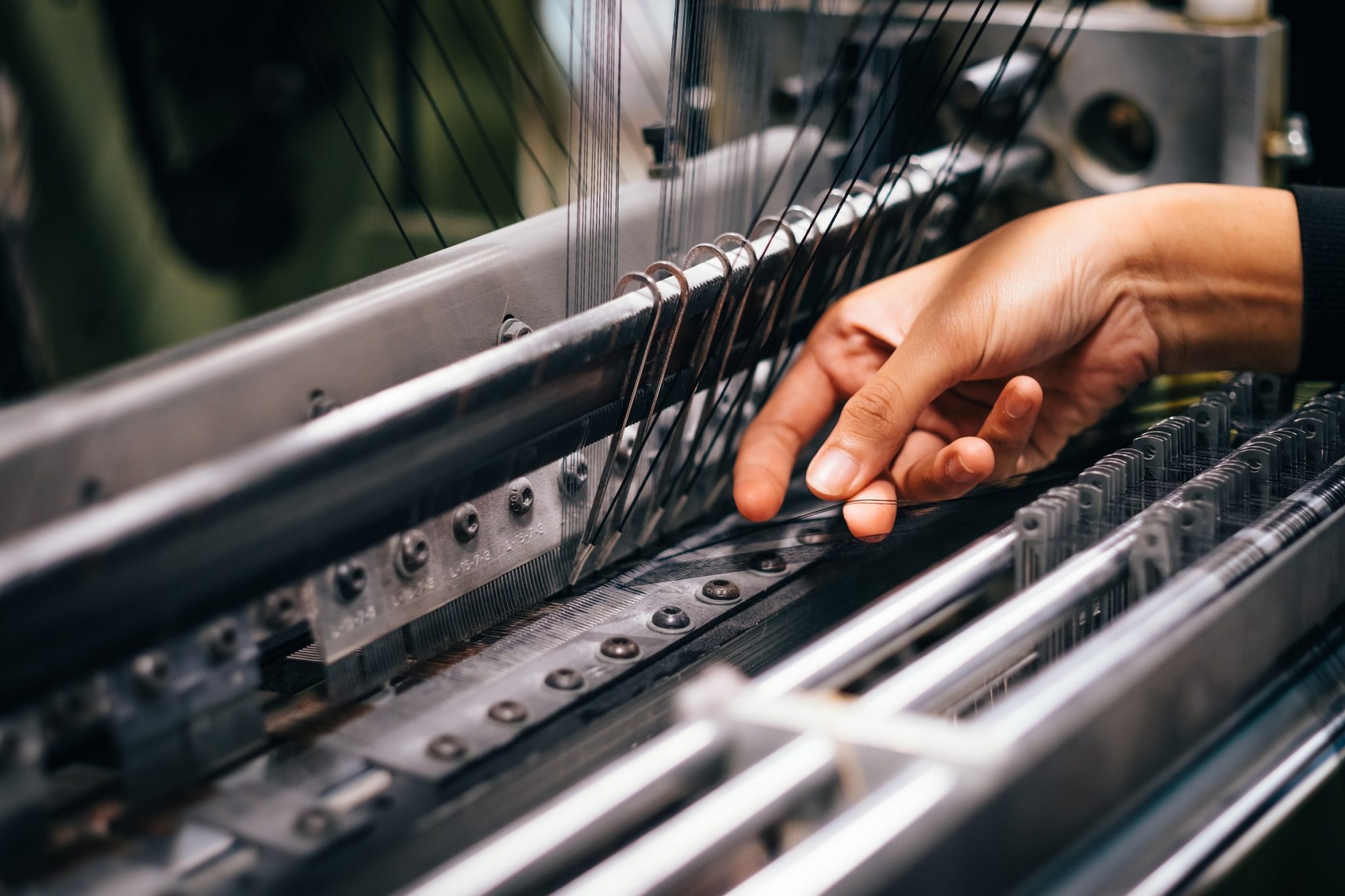
Wovens hold their shape. They do not stretch much, which is exactly why tailored garments use them — a collar, a cuff or a waistband keeps its form. That also makes them less forgiving: fit has to be right, because the fabric will not adapt.
Which is better?
Neither. They do different jobs.
Knits stretch and recover, which matters for anything worn close to the body or that needs freedom of movement. Wovens give structure and a crisper finish, which is what formal and corporate wear depends on.
The practical rule: if the garment needs to move with the wearer, knit. If it needs to hold a shape, woven. Most uniform programmes end up using both — knitted polo shirts for field staff, woven shirts and trousers for the office.
PT Sansan Saudaratex Jaya produces both, from t-shirts and knitwear to shirts, chinos, denim and tailored jackets.