

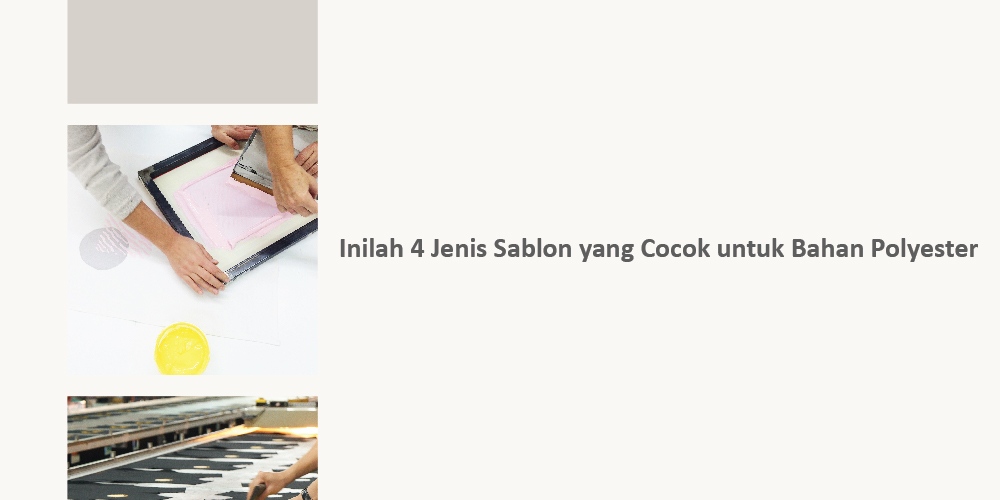
Polyester is made from polyethylene terephthalate and ethylene glycol — a synthetic fibre, and a very practical one. It resists creasing, wears well, and holds printed colour without fading. But it does not take print the way cotton does, and choosing the wrong method is an expensive way to find that out.
Four methods that do work.
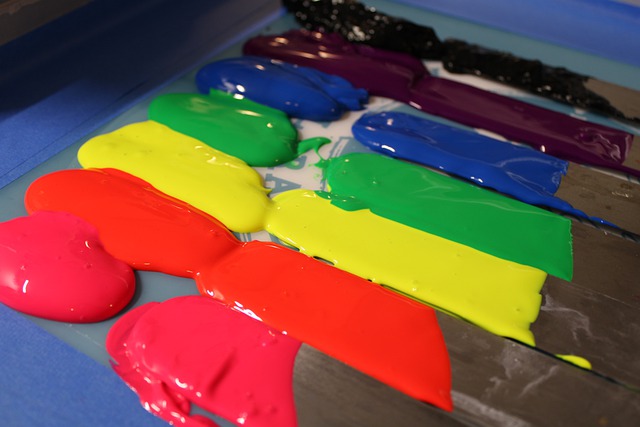
1. Sublimation
The natural match for polyester, and the only method on this list that relies on the fibre itself. No screen is needed: the design is printed onto sublimation paper, laid on the garment and pressed with a heat press, where the ink turns to gas and bonds into the fibre.
Good for: sharp, detailed, full-colour designs, produced quickly.
Limitation: polyester only, and the base fabric must be light. On a dark garment the ink simply disappears into the colour beneath it.
2. Transfer paper
Similar in principle, but the design is printed onto a specialist paper — 3G opaque transfer — and pressed onto the fabric. Colours come out bright and sharp, hold up well to washing, and the printed surface sits into the fabric rather than on top of it, so it feels softer than you might expect.
Good for: bright designs where a soft hand-feel matters.
3. Transfer film
The most involved of the four, and the best results. The design is printed onto film using a specialist ink, then transferred to the fabric with a powder adhesive. More steps, more materials, more that can go wrong — but the finish is the strongest of any method here, and unlike sublimation it is not restricted to polyester.
Good for: the highest-quality finish, and mixed-fabric ranges.
4. Polyflex cutting
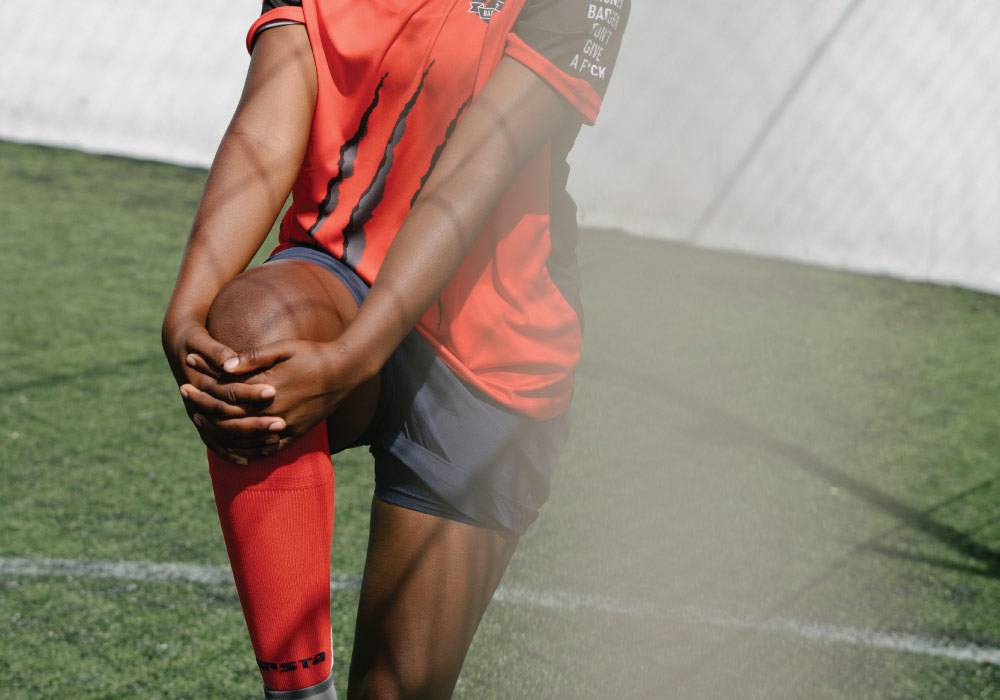
Closer to sublimation in handling, but the design is cut from a flexible vinyl and heat-pressed on. Polyflex stretches with the fabric instead of cracking, which is why it is the standard choice for sports shirts and numbered kit. It also works economically at very low quantities.
Good for: sportswear, names and numbers, small runs.
The general rule
For polyester, digital methods beat manual screen printing. You get a wider colour range, sharper detail, and — once quantities rise — a considerably faster process.
PT Sansan Saudaratex Jaya produces garments at volume across six units in West and Central Java, with laundry, embroidery and finishing handled in-house.